Communication & language
Rich conversations, songs and stories help children understand and express themselves.
Children learn through relationships, play and hands-on experiences. I follow the Early Years Foundation Stage (EYFS) and build on each child’s interests. My HND in Early Childhood Studies and additional training in understanding the EYFS support the way I plan and respond to children’s learning.
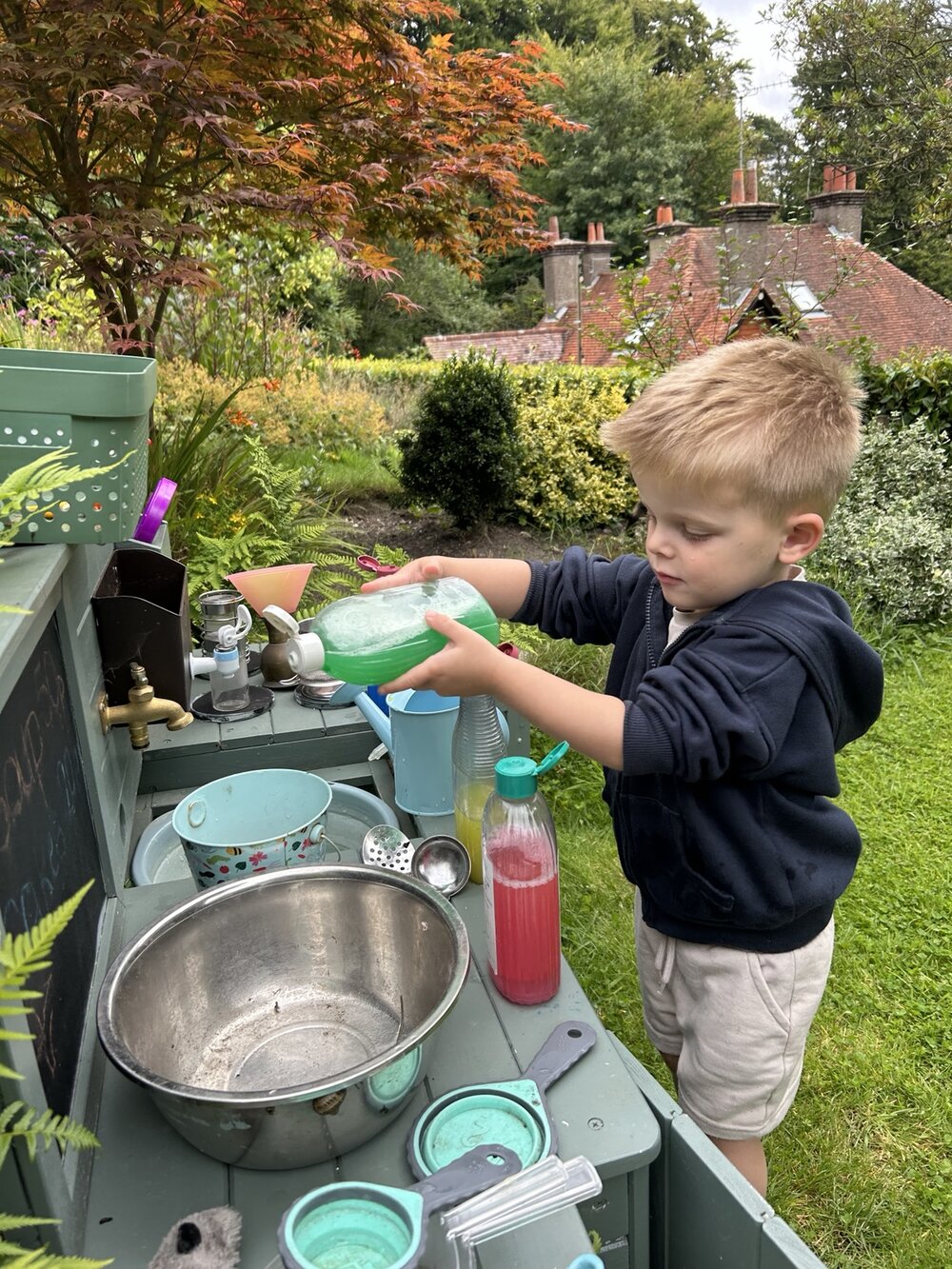
Exploring capacity and coordination, with plenty of new words along the way.
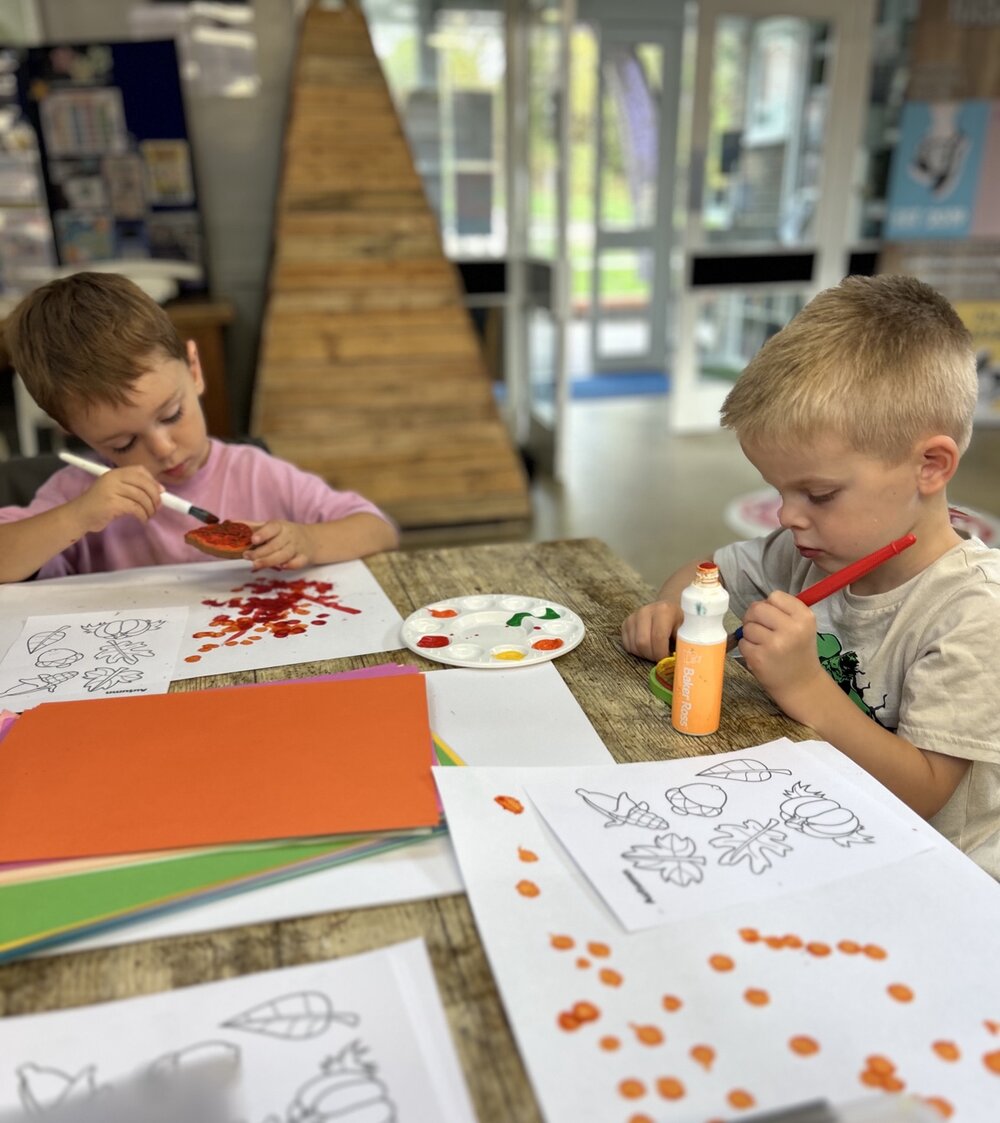
Making choices, exploring colour and developing control with tools.
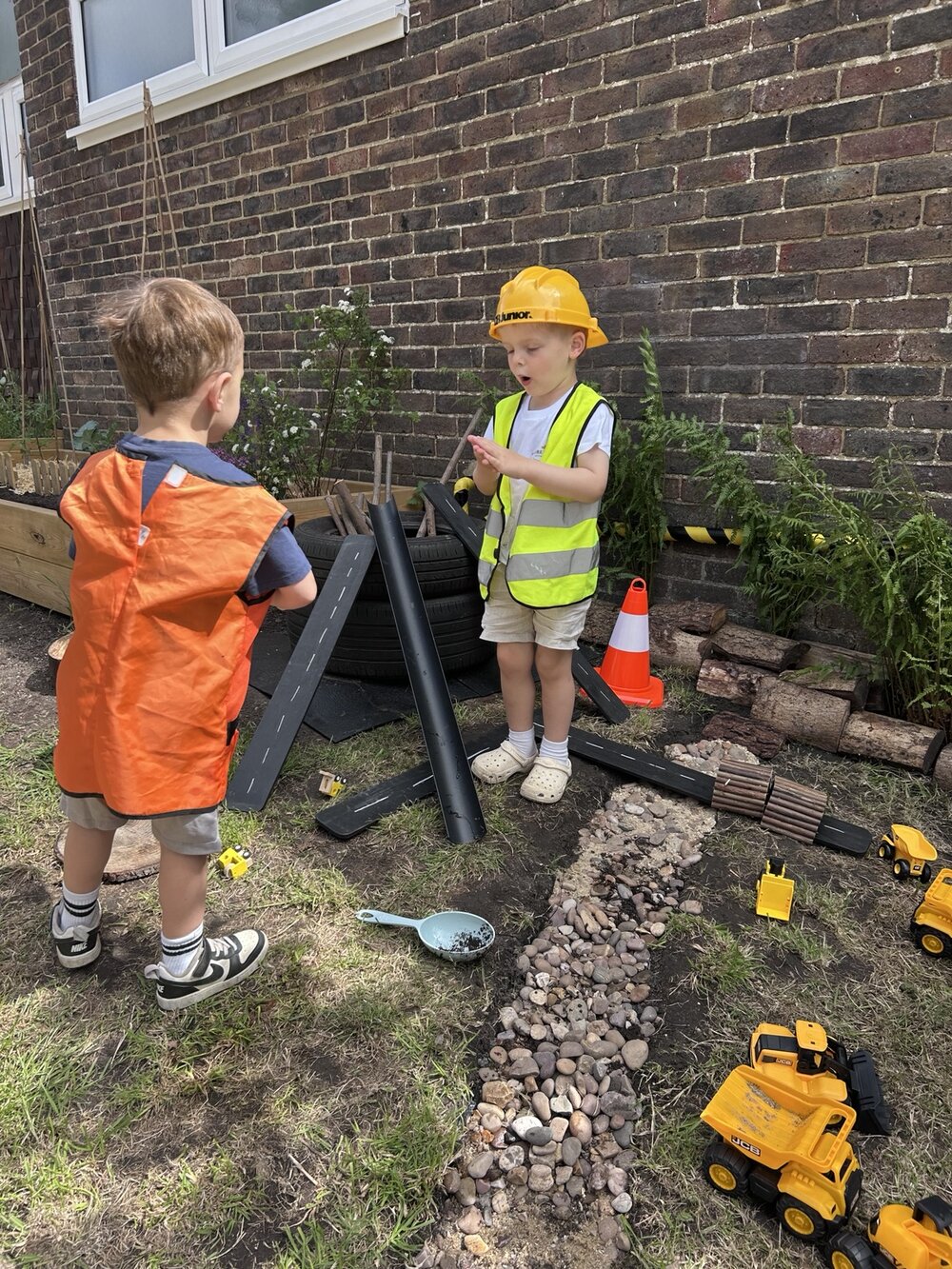
Planning, problem-solving and trying ideas together.
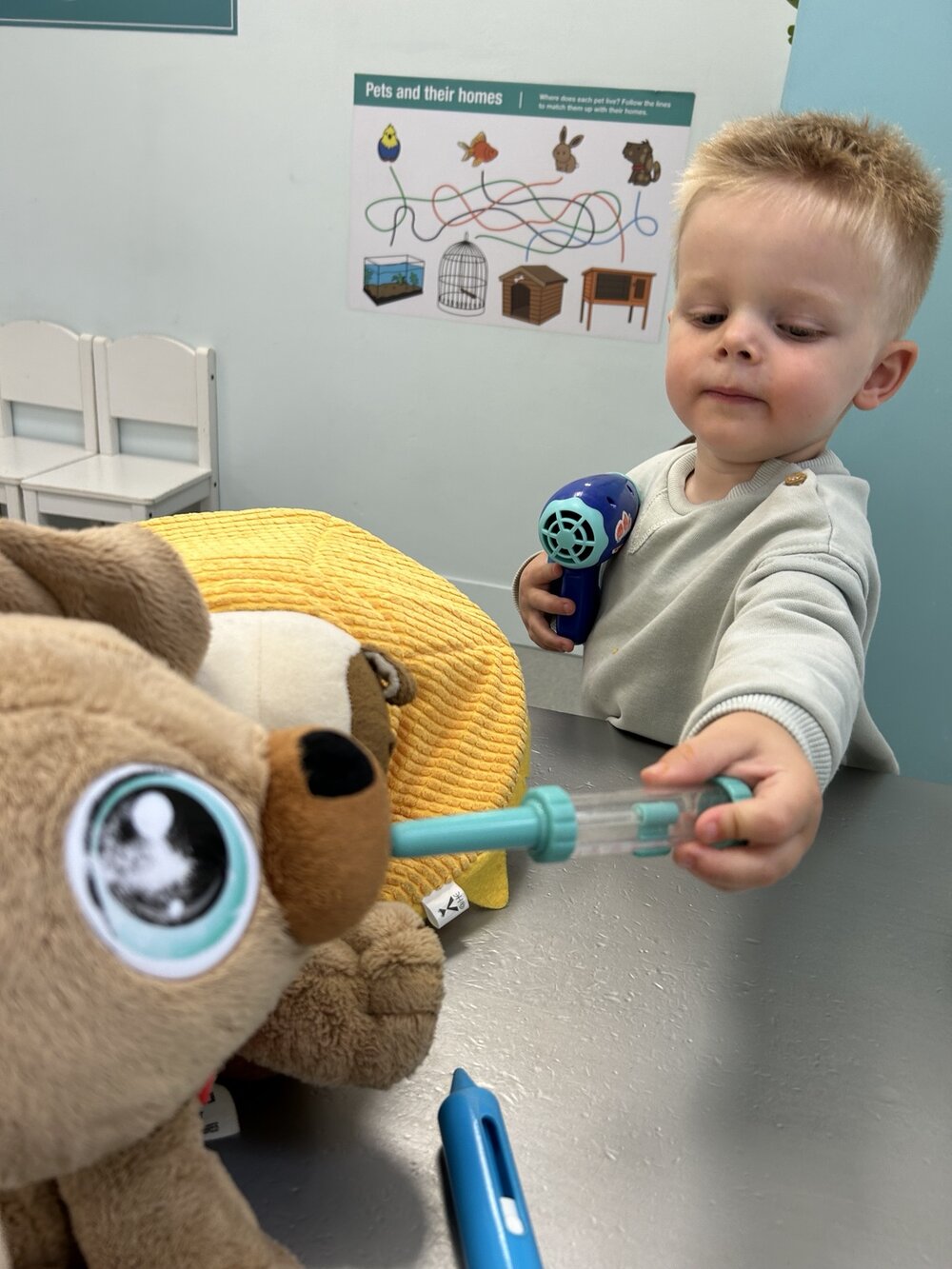
Imaginative play develops stories, language and empathy.
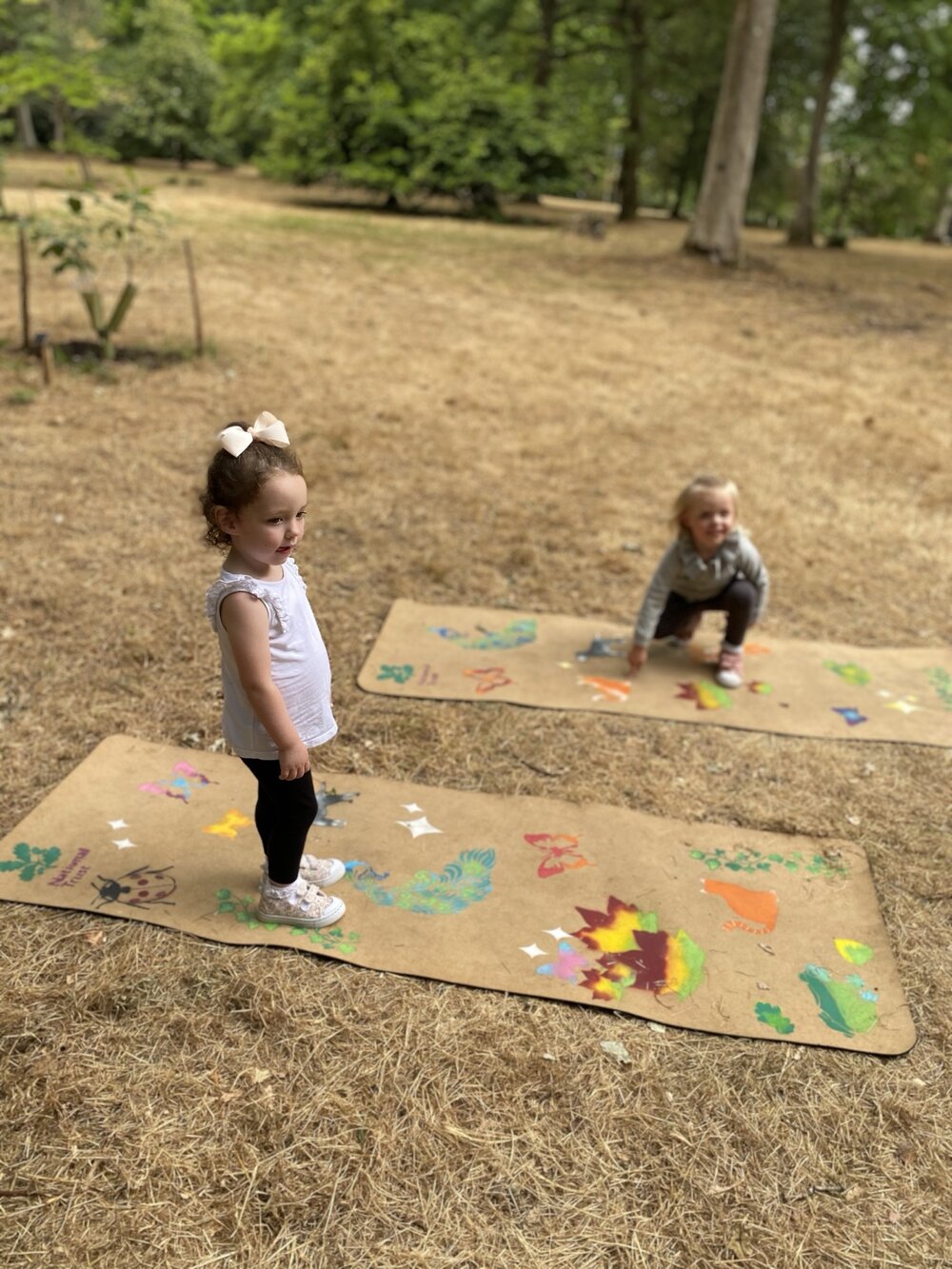
Outdoor experiences offer space for movement, observation and confidence.
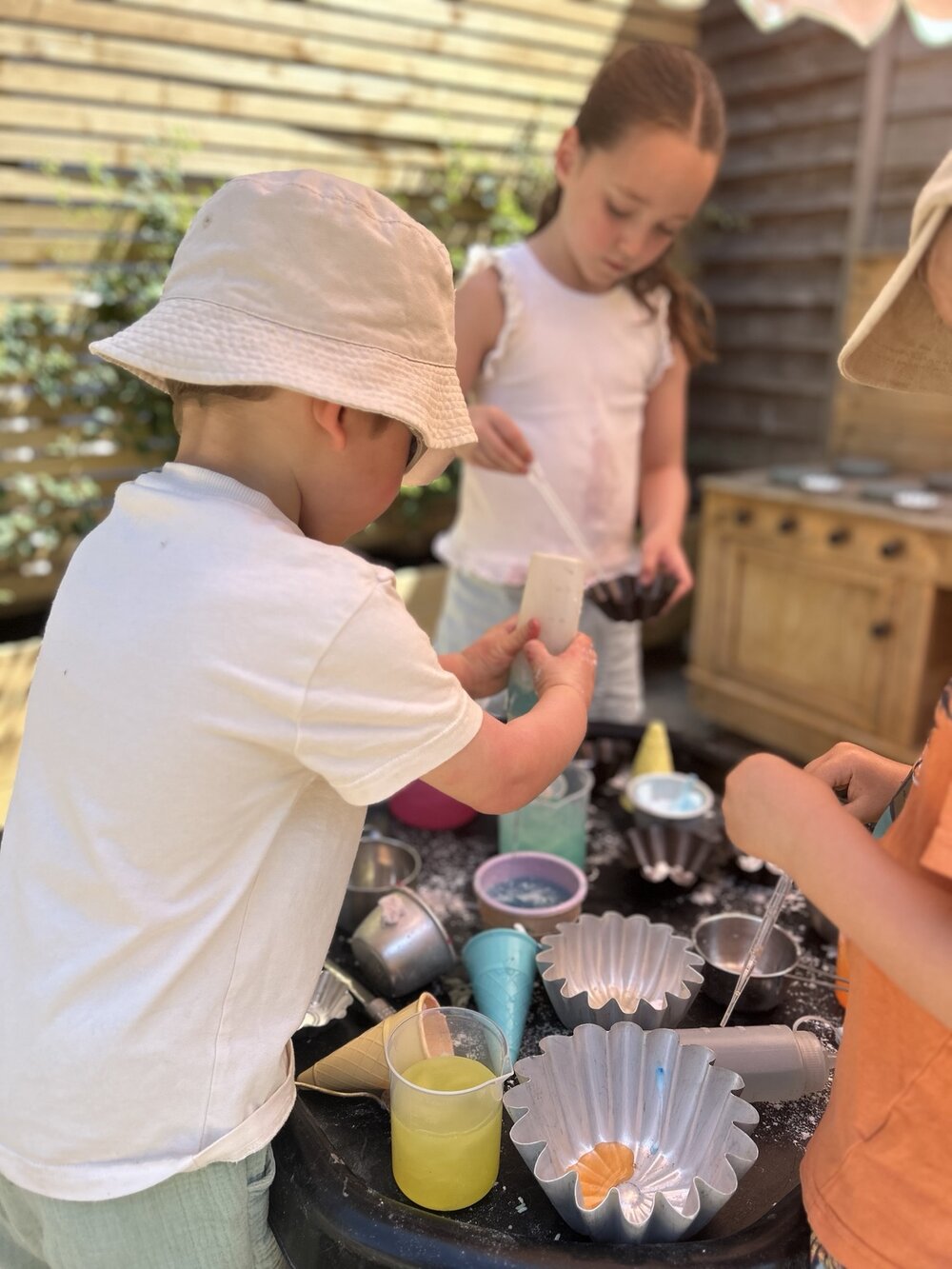
Hands-on play encourages fine motor skills, questions and exploration.
This is an example, adjusted around children’s needs, agreed hours and outings.
Time to settle, reconnect and choose an activity.
Outdoor play, a suitable outing or a playful learning invitation.
Healthy food, conversation and growing independence.
Sleep as needed, books and calm activities.
Play, a snack, stories and a personal handover at home time.
The Early Years Foundation Stage (EYFS) sets the standards for children’s learning, development and care from birth to five. It gives us a framework for providing thoughtful, playful experiences and understanding how best to support each child.
Children develop in different ways and at different rates. They may be confident in one area while still building skills in another. I use the framework to notice progress, celebrate each child’s strengths and plan their next steps, rather than expect every child to reach the same stage at the same time.
The Early Learning Goals describe the expected level of development at the end of Reception. They are used by teachers for the EYFS Profile assessment, rather than as targets that every toddler or preschool child must already meet. If a child needs additional support, we work together to respond to their individual needs.
Read What to expect in the EYFS — a guide for parents (PDF)Rich conversations, songs and stories help children understand and express themselves.
Secure relationships, naming feelings and learning to play together build confidence.
Movement, climbing, pouring and tools develop coordination and control.
Books, rhymes and playful mark-making lay foundations for reading and writing.
Sorting, counting, patterns, shapes and measuring are woven into play.
Nature, growing, community outings and everyday discoveries encourage curiosity.
Painting, music, movement and imaginative play let children explore their ideas.
I notice what your child enjoys and can do, then offer the next small challenge. We share observations and ideas from home and care without turning play into a test.
Between ages two and three, the written progress check helps us discuss strengths and any areas where support would be helpful.
Every summer, I organise a sports day for local childminders, nannies and the children in their care. It’s a chance for the children to enjoy being active, join in together and celebrate their efforts.
Once a year, I organise a Big Toddle fancy-dress walk and picnic with local childminders to raise money for Barnardo’s. It’s a lovely way to come together, enjoy a shared adventure and help others.